Global Organics making Organic ingredients matter.
-
Interest in health, wellbeing drives better-for-you chocolate products
Interest in health, wellbeing drives better-for-you chocolate products
Snack Food & Wholesale Bakery
While chocolate is often synonymous with ‘indulgence,’ it is fast becoming associated with ‘better-for-you,’ too, according to Snack Food & Wholesale Bakery. Cocoa and chocolate category manager Cathy Fichtner shares how Global Organics’ organic dark chocolate chips respond to consumer preferences and highlights customers’ growing interest in sustainable sourcing.

-
REGENERATIVE ORGANIC CERTIFIED SUGAR
Dairy Foods
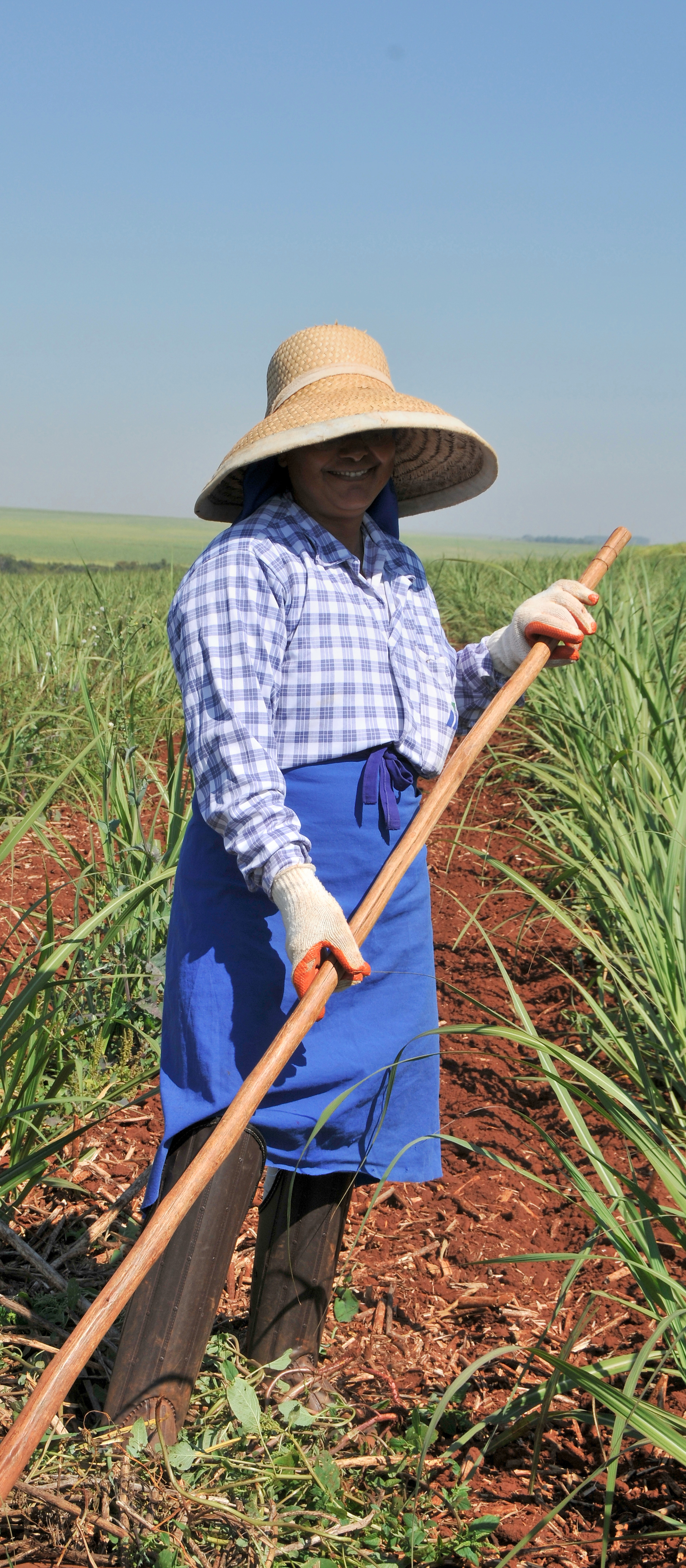
Global Organics now offers Regenerative Organic Certified cane sugar. Its longtime partner and supplier, Natíve, is the first sugar producer to earn the Regenerative Organic certification. By focusing on soil health and biodiversity, integrating sustainability at all levels of operations, and ensuring social fairness to farm workers, Natíve’s Green Cane Project has been long recognized as the model for sustainability, Global Organics says. Natíve sugar products include organic granulated cane sugar and organic demerara sugar, a raw sugar extracted from sugarcane.
-
GMO sugarcane: “Bad for the environment, soil and human health”
The Organic and Non-GMO Report
As Brazil ramps up production of GMO sugarcane, Leontino Balbo Jr, executive vice president of Natíve Green Cane Project says, “They are creating false expectations for the future of agriculture. GMO sugarcane will bring temporary results. Our Regenerative Organic Certified sugar is already delivering the results they are promising with genetic modification. One example - we have only 1.5% infestation (of caterpillars) in our cane fields today. The average in conventional fields is 8%. GMO is promising a rate of 1.5 - 2%. They are 25 years too late!”

-
ICAM - 75 Years of Family Owned and Run Fine Italian Chocolate
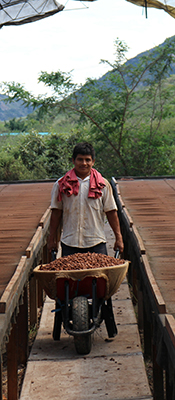
Dr. Angelo Agostoni, president of ICAM | Agostoni Chocolate, began traveling to meet with cocoa farmers and buy directly from cooperatives back in the 1970s. Direct connections allowed relationships and trust to form — ICAM has partnered with cocoa cooperatives in Peru and Dominican Republic for decades.
Since the 1980s, ICAM’s twofold commitment has been to identify the finest cocoa cooperatives and to create solid, lasting relationships with the farmers and the local communities. This commitment is based on ICAM’s ethical code, which guides all operations: respect, sustainability, transparency and a fair deal for all, with the goal of developing true partnerships with all operators in the production chain.
Dr. Agostoni puts it best, "Not Just Beans, Not Just Farms… Relationships, Empowerment, Autonomy and Respect"
Continue reading at: Notizie Geniali (auto translated from Italian)
-
From fringe to formulation: Making organic snacks and baked goods mainstream
Snack Food & Wholesale Bakery
Is it an oxymoron to include ‘better-for-you’ and ‘snacks and baked goods’ in the same sentence? Not according to a recent article in Snack Food & Wholesale Bakery. As our marketing manager Cate Batson Baril says, “Today’s moms and dads have grown up with organic foods; they expect to find organic products in more categories, especially where their young families are concerned.”

-
Top snack bar trends: supplier roundtable
Snack Food & Wholesale Bakery
After taking a steep slide in 2021, snack bars are making a comeback and could be heading for 17% growth in 2022, according to this article in Snack Food & Wholesale Bakery. Marketing manager Cate Batson Baril credits some of that to brand innovation, including use of online and social media channels, and certification such as organic, fair trade and Regenerative Organic Certified.

-
Finding a Sweet Spot in Natural Sweetener Promotions
Food Business News
Consumers increasingly expect to find organic and fair-trade options wherever they shop. Although it’s too early to have any meaningful consumer preference data on Regenerative Organic Certified (ROC) products, adding ROC to the label gives consumers another factor to weigh. In this Food Business News article, we highlight Natíve's new ROC designation and share how ROC practices can mitigate climate change, soil degradation and biodiversity loss.

-
Taking the Guilt out of Guilty Pleasures
Food & Beverage Insider
Consumers' competing desire for wellness and indulgence has led to innovation throughout the snacks and sweets categories. In this article with Food & Beverage Insider, Paul Whitman, fruit and vegetable category manager, shares smart ingredient swaps, highlighting our organic coconut sugar and organic banana paste. Sugar Category Manager, Andrew Martino, also notes the rise of Regenerative Organic Agriculture in the snacks and sweets industry with a spotlight on our newly Regenerative Organic Certified cane sugar.
Continue reading at Food & Beverage Insider
-
Natíve Green Cane Project shows that regenerative organic can succeed at scale
The Organic & Non-GMO Report
There is a better way to grow and harvest sugarcane and our longtime partner and organic cane sugar supplier, Natíve is leading the way! Check out this article from The Organic and Non-GMO report for a closer look at how Natíve is successfully using regenerative agriculture to achieve full carbon neutrality. Natíve produces yields that are 20% higher than conventional sugarcane production and they are the first sugar producer to earn Regenerative Organic Certification.

-
Industry Updates - Natíve Recognized as First Regenerative Organic Certified Sugar ProducerFood Technology Magazine
Food Technology Magazine
In this industry update from IFT's Food Technology magazine, our longtime partner and organic cane sugar supplier, Natíve, is recognized for becoming the first Regenerative Organic Certified™ sugar producer. Regenerative Organic Certification was created to leverage and bring together existing high-bar certifications for environmental protection, animal welfare and fair trade. This new certification resonated strongly with Natíve because it encompassed so many of the practices they have innovated over the years.